
Wildlife Safety
Living in Jefferson County means sharing space with wildlife. Learn how to stay safe and when to call for help.
When to Call
Call 911
- Wildlife actively threatening people or pets
- Animal attacks in progress
- Injured wildlife blocking roadways
Call Animal Control
(303) 271-5070- Sick or injured wildlife
- Wildlife in your home or structure
- Pet or livestock contact with wildlife
Colorado Parks & Wildlife
(303) 291-7227For general wildlife questions, nuisance wildlife, and species-specific guidance. CPW manages Colorado's wildlife and can provide expert advice.
Wildlife Response Policy
What We Respond To
Animal Control Officers respond to assist sick or injured small wildlife (raccoons, skunks, squirrels, etc.) as call volume allows.
What We Don't Handle
- Removal of wild animals merely because of their presence in a residential or commercial area
- Nuisance wildlife or calls involving large game (elk, deer, bears, mountain lions) — these are deferred to Colorado Parks & Wildlife
- Calls involving rodents or insects
When Animal Control Responds
- A bat is inside the living quarters of a residence or a commercial building
- A wild animal is inside the living quarters of a residence and will not leave on its own
- A wild, non-game animal is sick or injured to the point that its quality of life or mobility has deteriorated, and/or it is creating an immediate threat to public health or safety
- The animal is readily accessible to the officer (no risk of injury to the officer, no property damage, no confined spaces, no ladders)
Important Definitions
- Living Quarters
- Where people live, eat, and sleep. This excludes garages, sheds, attics, crawl spaces, and areas under porches or decks.
- Private Property Services
- Services on private property are provided as a courtesy. Animal Control reserves the right to refuse service for repeated issues.
- Nuisance Wildlife
- Wildlife that is threatening livestock, destroying property, creating a health or safety hazard, or remains present after exclusion methods have been attempted and failed.
Wildlife in Your Area
Coyotes are common in Jefferson County and are typically not dangerous to humans. However, they can pose a risk to small pets. Most coyote sightings are normal and do not require action.
Safety Tips
- Never feed coyotes — it removes their natural fear of humans
- Keep small pets indoors or supervised, especially at dawn and dusk
- Secure trash cans and remove outdoor pet food
- Keep yards clear of fallen fruit and birdseed
- Walk dogs on a leash, especially in areas with known coyote activity
Hazing Techniques
If a coyote approaches, use hazing to reinforce their natural wariness of people:
- Make yourself appear large — wave arms, stand tall
- Make loud noises — yell and clap
- Use deterrents such as rocks, vinegar in a water gun, or repellent spray (such as Citronella or pepper spray)
- Do not turn your back or run — face the coyote and back away slowly
Coyote Feeding Is Unlawful
It is unlawful to feed or intentionally attract coyotes in Jefferson County (Colorado Parks and Wildlife Regulation #021). Report people feeding coyotes to Colorado Parks & Wildlife at (303) 291-7227.
Rabies is a fatal viral disease that can be transmitted to humans and pets through bites. All animal bites that break the skin must be reported to Animal Control. The overall risk of contracting rabies is low. Thanks to widespread pet vaccinations and effective post-exposure treatment, the number of human deaths from rabies in the United States has declined to an average of only one or two per year.
If You Are Bitten
- Wash the wound immediately with soap and water
- Seek medical attention promptly
- Report the bite to Animal Control at (303) 271-5070
- Try to identify the animal (description, location, owner if known)
Bite Investigation Process
- All bite reports are investigated by Animal Control
- The biting animal is placed under a 10-day observation period
- During observation, the animal is monitored for signs of rabies
- If the animal cannot be located, your doctor may recommend post-exposure treatment
Precautions
- Do not approach or handle wild animals, especially those acting abnormally
- Keep all dogs and cats current on rabies vaccinations
- Get post-exposure treatment when advised by your physician
- Walk dogs on a short leash
- Keep your pet's rabies certificate available for licensing and proof of ownership
- Do not leave pet food outside, which attracts wildlife
Common Questions
"I saw a nocturnal animal outside during the day. Does that mean it has rabies?"
Not necessarily — raccoons and skunks may come out during the day for food, especially in spring when caring for young. Spring brings extra daytime wildlife activity.
"How long is the rabies virus infectious outside an animal?"
Rabies is transmitted only through saliva, nerve, and spinal-cord tissue — not through blood, urine, feces, or airborne transmission. Generally, the virus dies quickly as fluids dry — but some environmental conditions (cool, dark, moist) can extend the timeframe.
"What should I do if there is a bat flying in my house?"
Isolate the bat in a secure container or a single room with a towel under the door. Call Animal Control. If the bat flies away before it can be captured, it cannot be tested, and your doctor may recommend rabies prophylaxis.
Sick or Injured Wildlife
Call Animal Control — do not attempt to intervene yourself.
If you find injured wildlife, do not attempt to approach or handle the animal. Injured wildlife can be dangerous and may carry diseases.
What to Do
- Do not approach or attempt to handle the animal
- Keep people and pets away from the area
- Note the exact location and type of animal
- Call Animal Control at (303) 271-5070
Wildlife Rehabilitators
For injured birds and small mammals, a licensed wildlife rehabilitator may be able to help. Contact Colorado Parks & Wildlife at (303) 291-7227 for a referral.
Deceased Animal Removal
Animal Control removes deceased small, non-game wildlife (under 100 lbs) from roads or residential property as a courtesy, as time and call volume allow. Animal Control does not remove wildlife over 100 pounds or rodents of any size. Wildlife must be readily accessible and at ground level; if deemed prohibitive or unsafe, officers will not attempt removal.
If you live in an apartment community or other multifamily housing, contact your property's maintenance staff.
Self-Removal Steps
- Do not touch the animal with your bare hands
- Use an inside-out trash bag or long-handled shovel to pick up the animal and place it in a plastic bag
- Tie a knot in the top of the bag
- Place the bag into a second bag and tie securely
- Dispose of the double-bagged animal in an outdoor trash container
- Remove your gloves and thoroughly wash your hands with soap and water
Deceased Game & Large Wildlife
Animal Control does not remove deer, elk, mountain lions, mountain goats, bighorn sheep, or bobcats under any circumstances.
- Public property: Contact the appropriate roadway
authority:
- County roadways — Jefferson County Road & Bridge: (303) 271-5200
- State & federal highways — Colorado State Patrol: (303) 239-4501
- Private property: Contact a private removal service:
- Burbach and Sons: (303) 838-5467 or (303) 916-4650
- Weld County Byproducts: (970) 352-1788
- Hearts and Hooves: (970) 682-5177
Phone numbers provided as a courtesy only. Animal Control does not endorse specific companies.
Nuisance Wildlife
For information on humanely resolving conflict with wildlife, see the Humane World Wildlife Conflict Resolution Guide. Review CPW's Nuisance Wildlife laws.
For rodents, bees, wasps, and other pests, search for a reputable local pest control service.
Nuisance Wildlife Resources
Animal Control does not endorse any particular service or company and strongly recommends that consumers check references, insurance/bonding, and humane practices before hiring any company.
- Animal Damage Control (303) 884-9100
- All American Wildlife Damage Specialist (303) 840-7743
- Animal and Pest Control Specialist (303) 987-0842
- Critter Control (303) 274-8837
- Adaptation Environmental (rattlesnake relocation & exclusion) (720) 722-3237
- Colorado Parks and Wildlife (after hours, dial *277 or *CSP on cell) (303) 291-7227
For information on humanely resolving conflict with wildlife, see the Humane World Wildlife Conflict Resolution Guide. For pest control (rodents, bees, wasps), search for a reputable local service.
Livestock
Colorado is an "open range" and "fence out" state, meaning Animal Control Officers do not have the authority to remove stray livestock from private property. Officers will only respond to livestock that are creating an immediate traffic hazard on a major roadway.
In those circumstances, Officers will attempt to safely confine the loose livestock to a nearby pasture or enclosure, and the Colorado State Brand Inspector will be contacted. The state brand commissioners are solely responsible for handling estrays.
Report loose livestock on roadways: Animal Control at (303) 271-5070 or the Sheriff's Office at (303) 980-7300
Colorado State Brand Inspector: (303) 869-9160
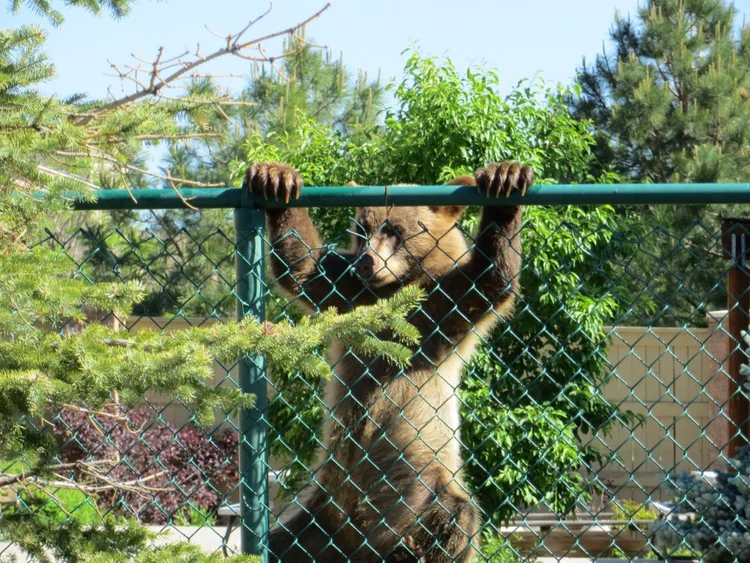
Bears & Mountain Lions
As Colorado's population grows, more people are living and recreating in bear and mountain lion country. The potential for conflict will inevitably rise, but there are actions you can take to mitigate break-ins, conflicts, or encounters on the trail.
Resources from Colorado Parks & Wildlife
For bear or mountain lion encounters, contact Colorado Parks & Wildlife at (303) 291-7227.
2026 Rabies Positive Animals Map
View locations in Jefferson County where animals have been submitted and tested positive for terrestrial rabies. Click any marker for details.
Skip interactive mapLoading interactive map...
Historical Rabies Maps
View confirmed rabies-positive animal locations by year.