
Wildland Fire Management
Protect Your Home from Wildfire
Take simple, practical steps to reduce your home's wildfire vulnerability. Learn how to harden your home, create defensible space, and protect what matters most.

An official program of the Jefferson County Sheriff's Office
Free for Jefferson County property owners
Home Assessments
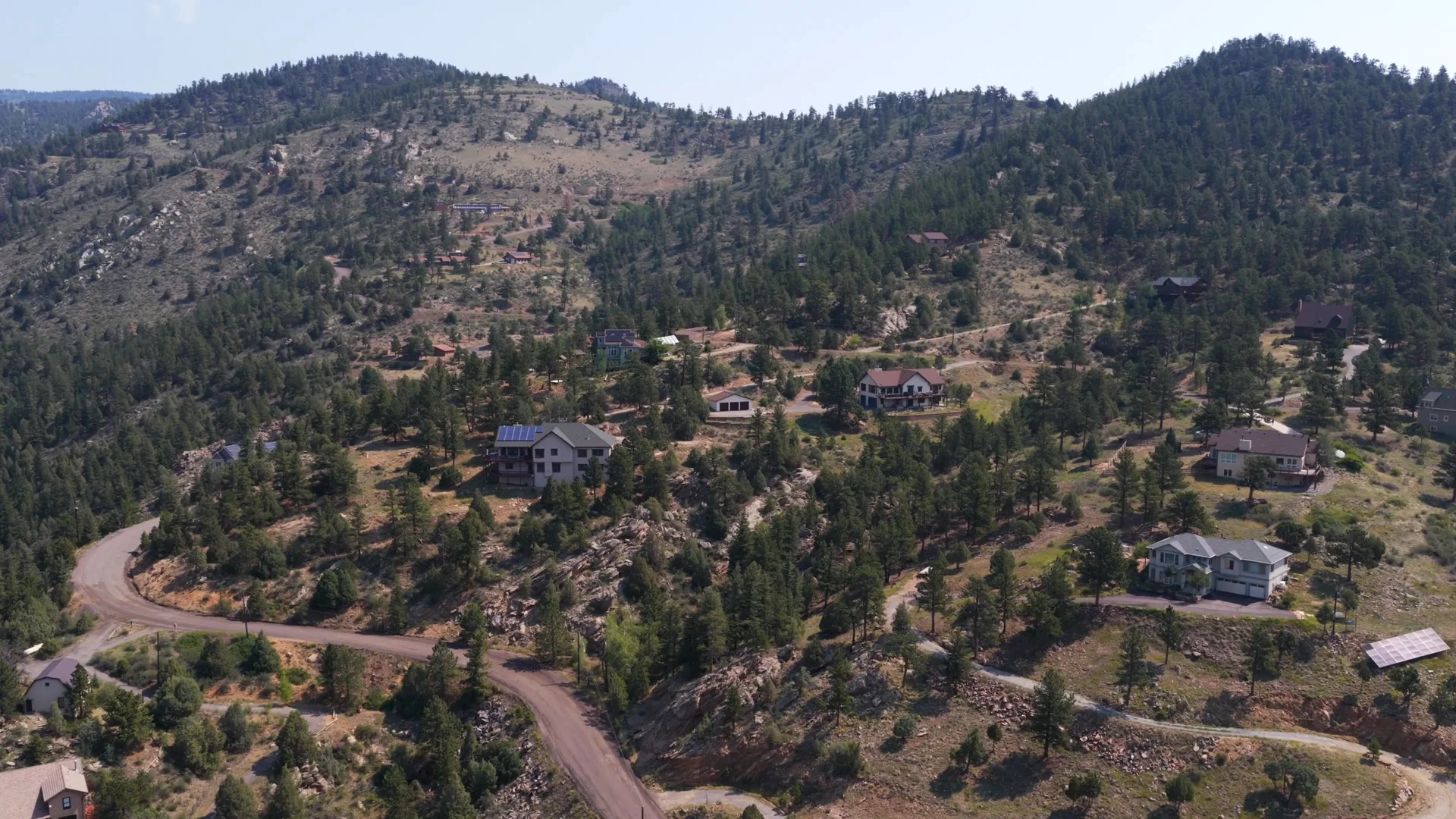
The Community Engagement team offers free Home Assessments for property owners across Jefferson County. A mitigation specialist will spend around 1.5 hours with you, evaluating the exterior of your home and the surrounding property to understand current conditions and identify wildfire risk.
Home Assessments are a collaborative process. By walking the property with you, our assessors gain insight into your priorities and help you understand what actions will be most effective for your home and property.
After the visit, you'll receive a private, detailed online report outlining your home's vulnerabilities and practical steps you can take to improve structure survivability during a wildfire.
Ready to get started? Request your free home wildfire assessment.
- Free
- Around 1.5 hours on site
- Private online report

Why Are Home Assessments Valuable?
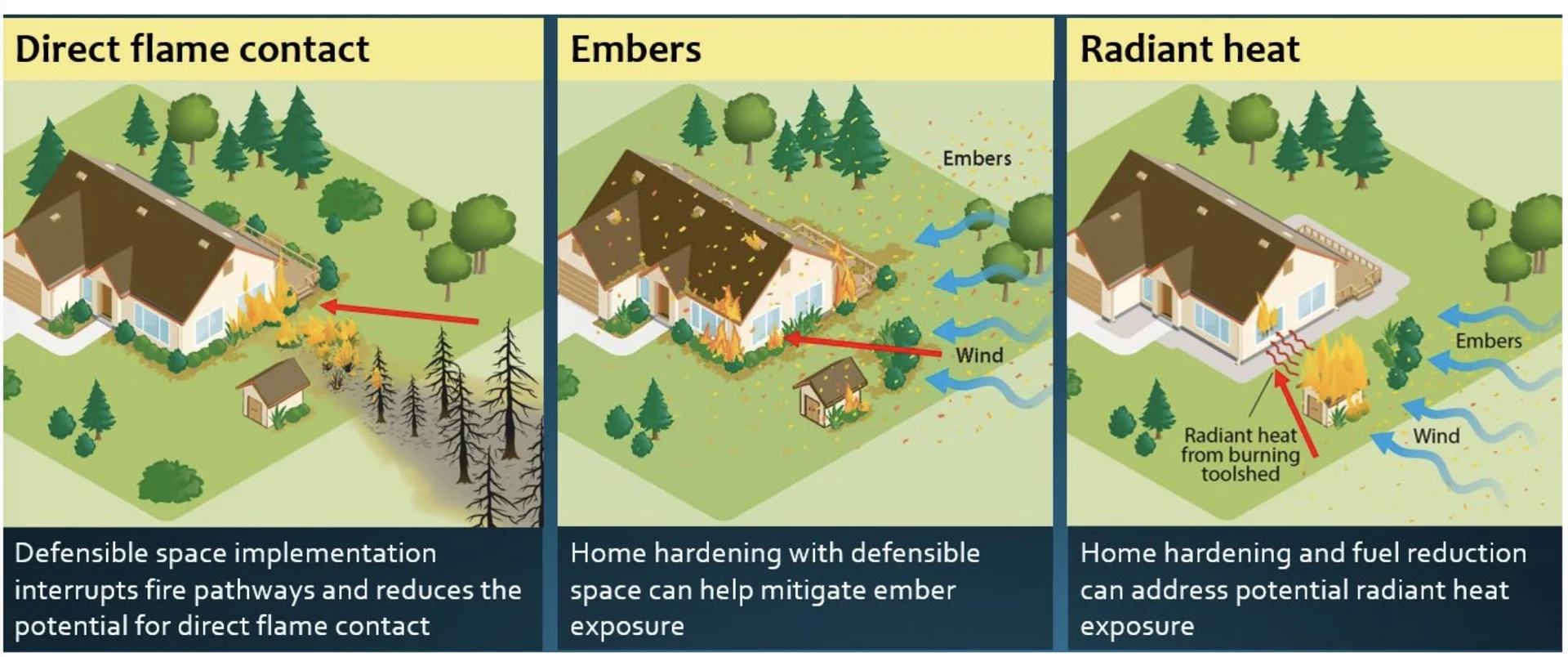
A structure's potential to ignite during a wildland fire depends on two main factors: the combustibility of its building materials and the quality of the defensible space surrounding it. Structures can ignite from wind-driven embers, direct flame contact, or radiant heat.
It is estimated that 90% of structure losses from wildfires are due to ember ignition. Embers are small, burning pieces of material carried by the wind—sometimes miles ahead of the main fire front. When they land on or near a home, they can ignite dry leaves, pine needles, landscape mulch, deck boards, or even outdoor furniture cushions. Embers often pile up on decks, in gutters, along fences, and anywhere windblown debris collects, creating small ignition points that can quickly grow into a structure fire.
The good news is that homeowners can take simple, cost-effective steps to significantly reduce these vulnerabilities. By addressing areas where embers tend to accumulate and improving defensible space, residents can greatly increase their home's chance of surviving a wildfire.
Home Hardening
Home hardening is the process of making your home more resistant to wind-driven embers, direct flame contact, and radiant heat during a wildfire. Even small improvements can make a big difference. Examples include screening attic and roof vents with 1/8-inch corrosion-resistant metal mesh, choosing noncombustible building materials, and keeping the first 5 feet around your home free of any flammable items.
Because every home is built differently, the materials, design, and condition of your structure influence how well it will stand up to wildfire. Home hardening, combined with defensible space, helps strengthen your home and reduce the chance it will ignite during a wildfire.
Top three home hardening priorities
- Vents
- Roofs and Gutters
- First 5 feet around your home
For more information request a Free Home Assessment for personalized guidance or review available resources:
Defensible Space
Defensible space is the intentionally managed area between your home and surrounding vegetation. By reducing flammable materials such as grasses, shrubs, and low tree branches, and managing tree canopy spacing, you can lower wildfire intensity and create a buffer that protects your home. Defensible space also improves firefighter access and provides a safer area to defend the structure if a wildfire approaches.
The purpose of defensible space is simple:
- increase your home's chances of surviving a wildfire
- reduce the spread and intensity of flames near your property
- improve firefighter safety and suppression effectiveness
Defensible space only works if it's maintained. Regularly clearing debris, managing vegetation, and keeping the area near your home clean and open are key steps to long-term protection.
For more information on defensible space zones and specific recommendations, see the Colorado State Forest Service Home Ignition Zone guide(opens in new tab) .

Wildfire Resiliency Code (WRC)
As of July 1, 2026 the new Jefferson County Wildfire Resiliency Code (WRC) regulations apply to unincorporated Jeffco properties within the Wildland Urban Interface (WUI). The WRC includes requirements for defensible space and structure hardening. The purpose of structure hardening and defensible space is to reduce the ignitability of structures to protect lives and property. For more information about the WRC and applicability, please visit the Jefferson County's website.
Learn more about Jefferson County's Wildfire Resiliency CodeWildland Fire Management
Resources
Trusted guides, fact sheets, and videos from Colorado and national wildfire experts. Links open on the publisher's site.
Start here
Home Ignition Zone Guide and Checklists— csfs.colostate.edu (opens in new tab) — Colorado State Forest Service
Colorado's statewide guide to defensible space zones and structure hardening, with printable checklists.
csfs.colostate.edu
Your home ignition zone
Start with the big picture: how homes ignite, and the zones around your home that matter most.
Wildfire Prepared Home: How-To Prepare My Home Checklist— wildfireprepared.org (opens in new tab) — Insurance Institute for Business & Home Safety (IBHS)
A step-by-step checklist of the home hardening and defensible space actions that matter most, from the research organization behind the Wildfire Prepared Home designation.
wildfireprepared.orgPreparing Homes for Wildfire— nfpa.org (opens in new tab) — National Fire Protection Association (NFPA)
Plain-language guidance on embers, the immediate zone, and the steps that help a home survive a wildfire.
nfpa.org
Home hardening fact sheets
NFPA Firewise research fact sheets on the building features that embers and flames attack first.
Attic and Crawl Space Vents— PDF · 1.1 MB (opens in new tab) — NFPA
Screening vents so wind-driven embers cannot enter the attic or crawl space.
PDF · 1.1 MBRoofing Materials— PDF · 1.6 MB (opens in new tab) — NFPA
Class A roof coverings, edges, and the debris that collects on them.
PDF · 1.6 MBUnder-Eave Construction— PDF · 0.5 MB (opens in new tab) — NFPA
Enclosing and protecting the area under the eaves where embers collect.
PDF · 0.5 MBSkylights— PDF · 1.4 MB (opens in new tab) — NFPA
Skylight glazing and frames as an entry point for embers and radiant heat.
PDF · 1.4 MBDecks— PDF · 1.0 MB (opens in new tab) — NFPA
Deck boards, the gap between boards, and what is stored underneath.
PDF · 1.0 MBFire Spread on Ember-Ignited Decks— PDF · 0.4 MB (opens in new tab) — NFPA
Research on how an ember that lands on a deck turns into a structure fire.
PDF · 0.4 MBFencing— PDF · 1.1 MB (opens in new tab) — NFPA
Fences and gates that can carry fire to the house, and noncombustible alternatives.
PDF · 1.1 MBCoatings— PDF · 0.8 MB (opens in new tab) — NFPA
What fire-retardant coatings and sprays can and cannot do for siding and decks.
PDF · 0.8 MBFirewise USA resources (all fact sheets)— nfpa.org (opens in new tab) — NFPA Firewise USA
The full library of Firewise fact sheets, toolkits, and customizable handouts.
nfpa.org
Defensible space and landscaping
Colorado-specific guidance on plants, spacing, and maintenance around your home.
Firewise Plant Materials (Fact Sheet 6.305)— extension.colostate.edu (opens in new tab) — CSU Extension
Ignition-resistant trees, shrubs, and ground covers suited to Colorado landscapes.
extension.colostate.eduFire-Adapted Landscaping Practices (Fact Sheet 6.303)— PDF · 1.6 MB (opens in new tab) — Colorado State Forest Service and CSU Extension
How to lay out, plant, and maintain a landscape that slows fire instead of feeding it.
PDF · 1.6 MBMitigations That Matter video series— wildfireprepared.org (opens in new tab) — IBHS Wildfire Prepared Home
Short videos on the highest-impact mitigation actions, starting with the 0–5 foot noncombustible zone.
wildfireprepared.org
Financial incentives
State tax incentives that help cover what you spend on wildfire mitigation.
Income Tax Topics: Wildfire Mitigation Measures— tax.colorado.gov (opens in new tab) — Colorado Department of Revenue
Colorado income tax incentives for landowners who pay out of pocket for wildfire mitigation work like defensible space, fuel breaks, and thinning, including who qualifies.
tax.colorado.gov
Insurance and preparedness
Understanding your coverage before fire season, from Colorado sources.
Colorado Property & Insurance Wildfire Preparedness Guide— PDF · 2.4 MB (opens in new tab) — Colorado Project Wildfire
A Colorado guide to preparing your property and your insurance policy for wildfire, with defensible space and documentation checklists.
PDF · 2.4 MBAre You Disaster Ready?— doi.colorado.gov (opens in new tab) — Colorado Division of Insurance
Home inventories, coverage questions, and what to do before and after a loss.
doi.colorado.govProperty Insurance in Colorado— fireadaptedco.org (opens in new tab) — Fire Adapted Colorado
Resources for finding and keeping homeowners insurance in wildfire-prone areas.
fireadaptedco.org
Wildfire smoke and air quality
Protecting your health when smoke settles in, even from fires far away.
Wildfire Smoke and Health— cdphe.colorado.gov (opens in new tab) — Colorado Department of Public Health & Environment
Health advisories, who is most at risk, and how to reduce smoke exposure.
cdphe.colorado.govWildfires and Smoke— jeffco.us (opens in new tab) — Jefferson County Public Health
Local smoke guidance and air-quality resources for Jefferson County residents.
jeffco.usAirNow Fire and Smoke Map— fire.airnow.gov (opens in new tab) — U.S. EPA and U.S. Forest Service
Live air-quality readings and smoke plumes near you.
fire.airnow.govSmoke Ready— fireadaptedco.org (opens in new tab) — Fire Adapted Colorado
Preparing your home and family for smoke season.
fireadaptedco.orgSmoke 101 (Science You Can Use, No. 101)— PDF · 7.0 MB (opens in new tab) — U.S. Forest Service Rocky Mountain Research Station
A research bulletin on what is in wildfire smoke and how it moves.
PDF · 7.0 MB
Videos
Short explainers from the researchers who study how homes burn.
Your Home Can Survive a Wildfire— YouTube (opens in new tab) — NFPA, with Dr. Jack Cohen
Fire scientist Jack Cohen explains why homes ignite and what homeowners can change (13 min).
YouTubeWhy Ember Storms Are a Major Wildfire Threat— YouTube (opens in new tab) — IBHS
IBHS's ember-storm test shows how wind-driven embers find the weak points of a house.
YouTubeMitigations That Matter: 0–5 Foot Noncombustible Zone— YouTube (opens in new tab) — IBHS
A short walk-through of the single most effective change around a home.
YouTubeHome Hardening – Decks— Vimeo (opens in new tab) — City of Boulder
How deck boards, gaps, and what you store underneath decide whether a deck ignites (9 min).
VimeoHome Hardening – Fences— Vimeo (opens in new tab) — City of Boulder
Keeping a burning fence from carrying fire straight to the house (7 min).
VimeoHome Hardening – Vents— Vimeo (opens in new tab) — City of Boulder
Screening attic and crawl space vents so wind-driven embers stay out (7 min).
VimeoHome Hardening – Non-Combustible Zone— Vimeo (opens in new tab) — City of Boulder
Clearing the first five feet around your home of anything that can burn (6 min).
Vimeo

Lookout Alert: Jefferson County Emergency Notifications
Lookout Alert is Jefferson County's free emergency notification system. When emergencies occur, registered residents receive Lookout Alert messages by phone call, text, and email with critical information about wildfires, severe weather, evacuations, and other public-safety incidents.

Sign Up for Lookout Alert
Receive critical alerts about wildfires, severe weather, evacuations, and other emergencies.
Register for Lookout AlertQuestions? Contact the Wildland Fire Management Program at WildfireRisk@jeffco.us